Why Old Courtyards Invite You to Stay a Little Longer
A courtyard is rarely the reason you travel across a city. More often, you find one by accident: through an archway, behind a café, at the centre of an old building, or beside a small church or library. Yet these modest spaces can be the places where a walk slows down.
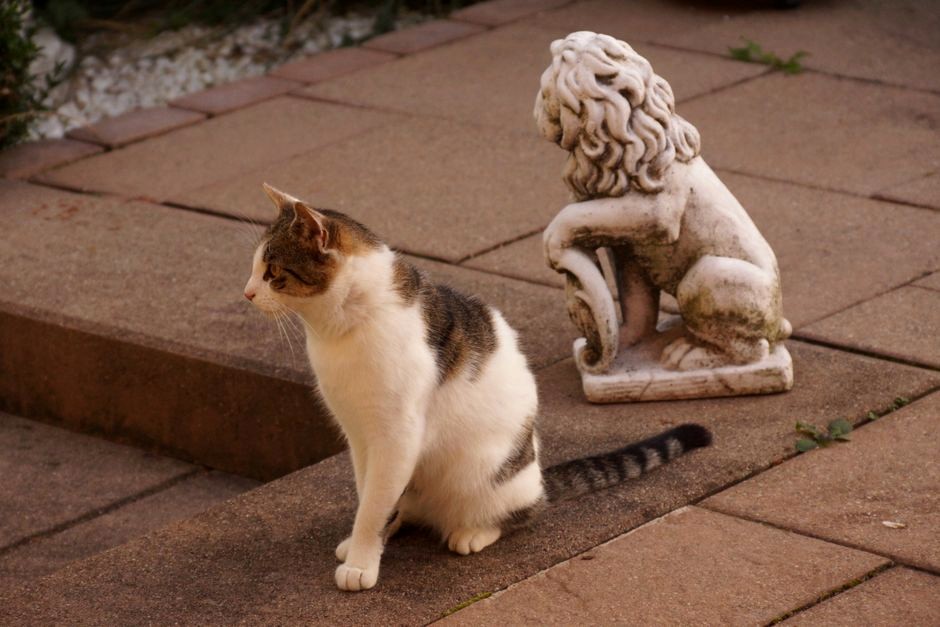
The best courtyards are not necessarily grand. Their appeal often comes from ordinary elements arranged at a human scale: a few chairs, worn stone, a tree, a fountain, a wall catching afternoon sun, perhaps a cat treating the whole place as private property.
A room without a roof
Courtyards feel different from squares because they are partly enclosed. Walls create edges, and edges make it easier to understand where to sit, stand and look. You are outdoors, but the space still has the proportions of a room.
That enclosure also edits the city. Traffic may still be nearby, yet the sound arrives softened or indirect. Views become selective. Instead of seeing several streets at once, you might see a slice of sky, a doorway, a balcony and the upper branches of one tree. The smaller visual field encourages attention to detail.
Materials tell you how long a place has been used
Old paving is interesting because it records movement. Steps become smoother in the middle. Stone darkens where water repeatedly drains. Paint wears away around a handle. Planters collect mismatched repairs. None of these details need to be picturesque; together they show that the place has been adjusted rather than reset.
On a city walk, those traces can be more memorable than polished surfaces. They give you something to read. You begin wondering where people enter, which bench gets sun first, how deliveries reach the back door, or why one corner has become the obvious place for bicycles.
Light moves slowly through enclosed spaces
Because surrounding buildings block parts of the sky, courtyards often have dramatic changes in light. One wall may be bright while the opposite side remains cool and shaded. A narrow band of sunlight can move across paving over the course of an afternoon.
This makes them rewarding places for both sitting and photography. You can wait for the light to reach a doorway or watch how a person becomes a silhouette when crossing from shade into sun. The architecture provides a ready-made frame without demanding that every photograph include a famous landmark.
Small interruptions make a space feel lived in
A perfect courtyard can feel like a display. A slightly untidy one often feels more welcoming. A watering can left beside herbs, a handwritten notice, a broom against a wall, a sleeping cat or chairs that have been moved out of alignment suggest that the place changes throughout the day.
Those interruptions matter because they show use. Good everyday spaces are rarely static. They are rearranged by weather, work, lunch breaks, deliveries, children, pets and whoever arrives first to move a chair into the sun.
How to notice courtyards on a city walk
Look for thresholds rather than signs. An open gate, a covered passage, a sudden change in paving or a glimpse of plants beyond a doorway can indicate a semi-public space. Museums, libraries, markets, older apartment blocks and civic buildings often have interior yards that are easy to miss when you are moving quickly.
When access is clearly public, step inside and give the place a minute before deciding whether there is anything to see. The appeal may not be immediate. Listen to how the sound changes, notice where people naturally stop, and look back toward the entrance. The view outward can explain the space better than the view in.
A courtyard does not have to be important to be worth remembering. Its value is often the opposite: it offers a pause from the important things. In the middle of a busy route, a few quiet metres can make the city feel less like a list of destinations and more like a place you are actually moving through.