The Quiet Pleasure of Keeping a Seasonal Notebook
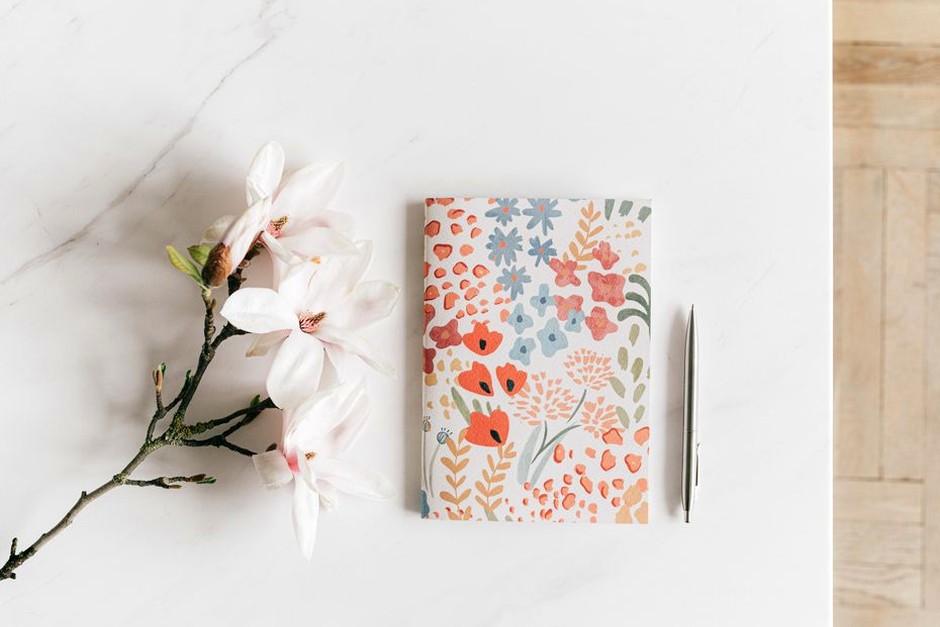
A notebook can be useful without being efficient. It does not have to measure habits, produce goals, or become an archive of everything you did. One of the gentlest ways to keep one is to let it follow the season: a place for small records that make sense now and may become interesting later.
In early autumn that might mean the first cool evening, a soup you want to make again, the colour of leaves on one particular street, or a list of books that suddenly feel right for darker afternoons. In spring, the same notebook might fill with seed packets, sketches of windows left open, and notes about where the morning light reaches the kitchen table.
Begin with what is already happening
The easiest notebooks are built around things you already notice. If you cook, write down what changed when a recipe worked. If you walk, record a short route or a place worth returning to. If you read, copy a title and one sentence about why you picked it up rather than turning the page into a formal review.
This approach keeps the notebook close to ordinary life. There is no need to manufacture material just to fill a page. A train ticket, a quick pencil sketch, the name of a flower from a market stall, or three words about the weather are all enough.
Let pages stay unfinished
A blank space does not need rescuing. Leaving room is useful because it makes the notebook feel less like a form that must be completed. You might return a week later with a photograph, tape in a label, or add a note in a different pen. You might never return at all.
Uneven pages are part of the appeal. Some days deserve a paragraph; others deserve a date and nothing else. The notebook becomes a record of attention rather than a test of consistency.
Mix useful notes with useless ones
Practical information gives the notebook a reason to remain nearby. Keep measurements for a favourite cake, the name of a paint colour, a café worth revisiting, or the dimensions of a shelf you keep forgetting. Alongside those things, allow entries that have no purpose beyond being pleasant to remember.
You could note the sound of rain against a particular window, the first evening you needed a sweater, or the way a bunch of supermarket flowers changed over a week. These details are too small for most calendars and photo libraries, yet they are often what gives a season its texture.
A notebook is allowed to be local
It is easy to imagine journaling as something that belongs to travel. New places naturally provide material. But a seasonal notebook becomes more distinctive when it stays close to home. The same park recorded in September, November and January tells a story that a single dramatic destination cannot.
Local notes also lower the threshold for continuing. You do not need a special outing. The subject can be the corner shop, the view from a bus stop, the herbs on a windowsill, or a change in afternoon light across the room.
What remains after a year
When enough months have passed, patterns begin to appear without any deliberate tracking. You may notice that you cook the same meal when evenings get colder, return to the same walking route after rain, or read more fiction in winter. The notebook reveals these rhythms gently because they were recorded for interest, not performance.
That is the quiet pleasure of the form. A seasonal notebook does not need to improve your life to earn its place on the desk. It can simply make ordinary days easier to notice while they are happening.