Notes on the Margins: Simple Corrections for a Better Field Notebook
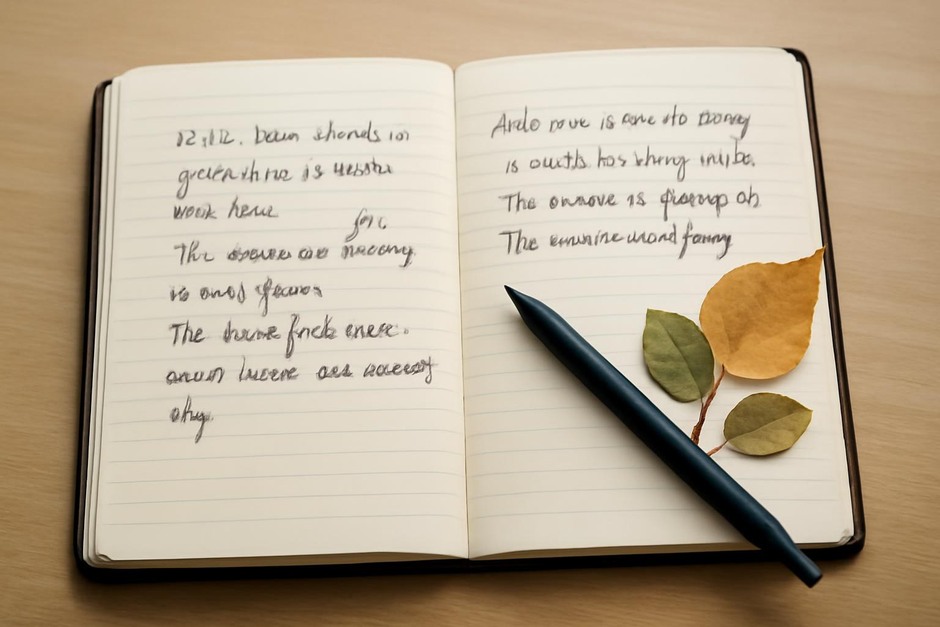
Observation: a pocket notebook can be the quietest companion—yet small habits make it less helpful than it might be. Often the trouble is not the lack of ideas but the choices we repeat: starting without a small plan, squeezing entries into messy lines, trusting memory over record, and overlooking the details that make notes dependable. Here is a calm checklist of common mistakes and useful corrections to bring more clarity and comfort to your field notebook.
1. Beginning Without a Tiny Intention
Common mistake: Opening a notebook with the vague hope of “writing more” and then feeling aimless. That diffuse aim makes entries inconsistent and discouraging.
- Correction: Begin each page with a one-line intention. It can be as simple as “record one unusual sound” or “sketch the leaf shapes”. This small anchor gives weight to a few minutes of noticing.
- Correction: Use a date and place header. Even a quick note like “June 12 — bench by the pond” saves hours of later confusion.
- Correction: Keep intentions bite-sized. A single focused aim prevents the pressure to produce a long essay.
2. Messy Entries and Illegible Notes
Common mistake: Writing quickly in cramped lines, then never being able to read your own handwriting. Messiness becomes an obstacle to revisiting what you noticed.
- Correction: Reserve the left margin for quick labels: weather, light, dominant sound. Those labels are visual signposts when you skim later.
- Correction: If your handwriting tends to run together, try bullet points or numbered lists for observations. Short fragments are easier to decipher than long sentences.
- Correction: Consider a small legend or shorthand on the first page—a few symbols for common words (e.g., a sun for clear, a drop for rain). Use them consistently.
3. Relying on Memory Instead of Context
Common mistake: Trusting that impressions will hold in the mind. Days later, what felt distinct becomes vague, and the fine detail that made the visit meaningful evaporates.
- Correction: Note context immediately: who you were with, the time, a nearby landmark. Context restores the scene when the memory has dimmed.
- Correction: Capture sensory anchors rather than full narratives. Instead of reconstructing an entire conversation from memory, jot the most vivid smell, color, or sound that stuck with you.
- Correction: Use short sketches or arrows to indicate direction, movement, or a notable arrangement. A quick arrow can communicate the way a flock moved far more reliably than a sentence later on.
4. Overlooking Small Details That Age Well
Common mistake: Skipping the small or mundane because it feels unimportant now. Those small notes often become the richest material later.
- Correction: Keep a short “marginaliae” line at the bottom of pages for three tiny details that might otherwise be missed—color of a branch, a phrase someone used, the count of sparrows.
- Correction: Add a confidence note—quickly mark whether something is certain, probable, or a guess. A simple plus, tilde, or question mark saves misunderstanding for future reading.
- Correction: Press or tape a specimen stub (a leaf, a feather fragment) on a scrap page or a loose sheet. Even a small physical trace anchors the page to a moment.
Conclusion: A field notebook is a practice in hospitality—toward the things you notice, toward the future reader of your pages (often your future self). The mistakes above are common because they come from impatience or the illusion that noticing should be effortless. The corrections are modest: set a small intention, create readable structure, record context, and celebrate tiny details. Over time, these habits make the notebook feel less like a chore and more like a slowly unfolding map of unhurried days.